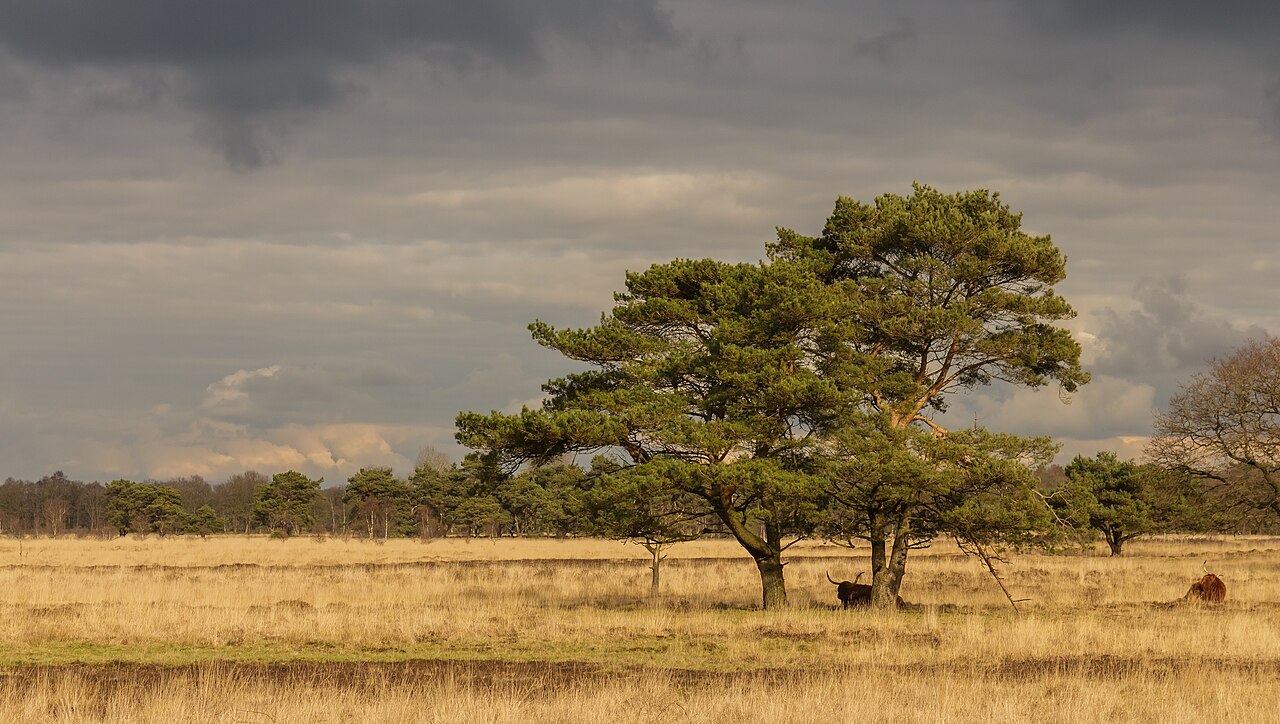
Scots pine
Pinus sylvestris · Pinaceae
A crossing plant — kept in both Haitian & Caribbean and Adriatic & Balkan traditions. Two shores, one root.
Scots pine
Pin sylvestre
Pinus sylvestris
Pinaceae
Traditionally used
⚠ The turpentine is strongly irritant and toxic in excess; handle it with great care. Scots pine yields a balsamic turpentine and aromatic needles long used for the breathing passages. Its oil is antiseptic and thins bronchial mucus, so a very few drops have been taken for catarrh, bronchitis, and stubborn chest conditions, while ointments and liniments serve rheumatism and gout. On the skin the raw turpentine can blister, so measured preparations are the only sensible form.
In three languages
Français — ⚠ La térébenthine est fortement irritante et toxique en excès ; on la manie avec grand soin. Le pin sylvestre fournit une térébenthine balsamique et des aiguilles aromatiques employées de longue date pour les voies respiratoires. Son huile est antiseptique et fluidifie le mucus bronchique ; quelques gouttes seulement ont servi contre le catarrhe, la bronchite et les affections tenaces de la poitrine, tandis que pommades et liniments soulagent le rhumatisme et la goutte. Sur la peau, la térébenthine brute peut provoquer des cloques : seules des préparations mesurées sont raisonnables.
Safety
Safety notes for this plant are still being written. Until they are, treat it with a cautious hand.
Plants can look similar and be misidentified — always verify with a local herbalist or guide before use.
Sources & lineage
European phytotherapy / Commission E — balsamic resin, turpentine oil
Kept alongside
- Norway spruce
- Horseradish
- Vervain
- Bosnian pine
- Mullein
- Chickweed
- Yellow leafbract
- Black mustard
- Lavender
- Sea hibiscus