Bosnian pine (Munika)
Pinus heldreichii · Pinaceae
Bosnian pine
Pinus heldreichii
Munika
Pinus leucodermis
Pinaceae
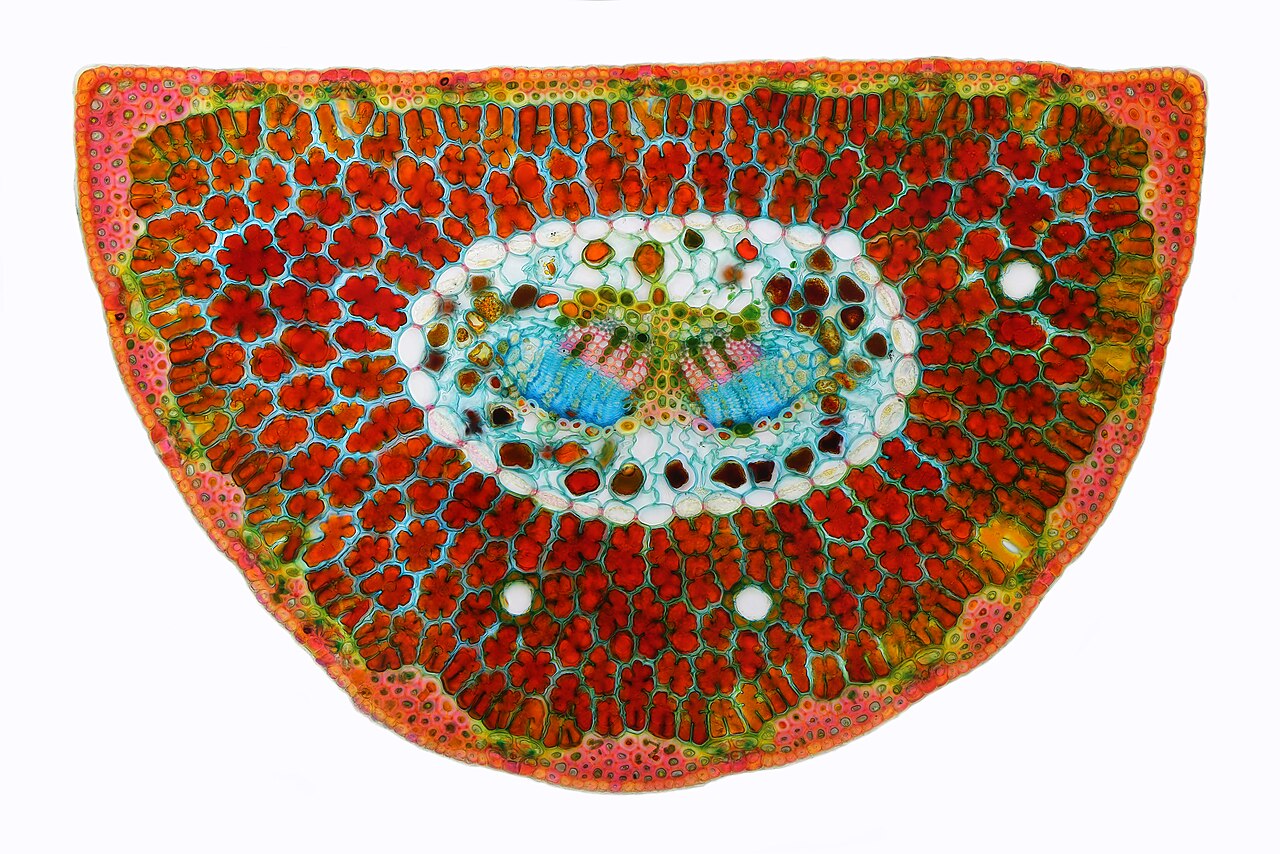
Botanical note
An endemic Dinaric relict conifer of the rocky karst — long-lived, its centuries-old specimens anchoring the Herzegovinian high country. Pollen May–June; cones ripen the second autumn. In Herzegovina it anchors the Orjen massif, Čvrsnica and its peak Zelena Glava, Prenj, and Blidinje Nature Park.
Traditionally used
In Bosnian folk medicine the resin was worked into "mehlemi" — healing ointments laid on wounds and troubled skin — and the vitamin-C-rich needles brewed into a winter tea for the chest and against scurvy. The needle oil is warming and aromatic, kept for the breath and the skin.
Prepared as
Needle tea — a small handful of fresh needles in hot (not boiling) water, covered, ten minutes. Resin salve ("mehlem") on intact skin. ⚠ Avoid the needle tea in pregnancy; the resin can irritate sensitive skin — patch-test first.
Safety
Safety notes for this plant are still being written. Until they are, treat it with a cautious hand.
Plants can look similar and be misidentified — always verify with a local herbalist or guide before use.
Sources & lineage
Balkan ethnobotany (Bosnian "mehlem" resin salves for skin and wounds); Pinus needle-oil phytochemistry — MDPI Antibiotics 2025 & PMC (antimicrobial/anti-inflammatory).
Kept alongside
- Norway spruce
- Scots pine
- Edelweiss
- Common Mallow
- Garden angelica
- Dwarf mallow
- Myrtle
- Rose hip
- Moses-in-the-cradle
- Sugarcane