Rhubarb
Rheum undulatum · Polygonaceae
Rhubarb
Rhubarbe
Rheum undulatum
Polygonaceae
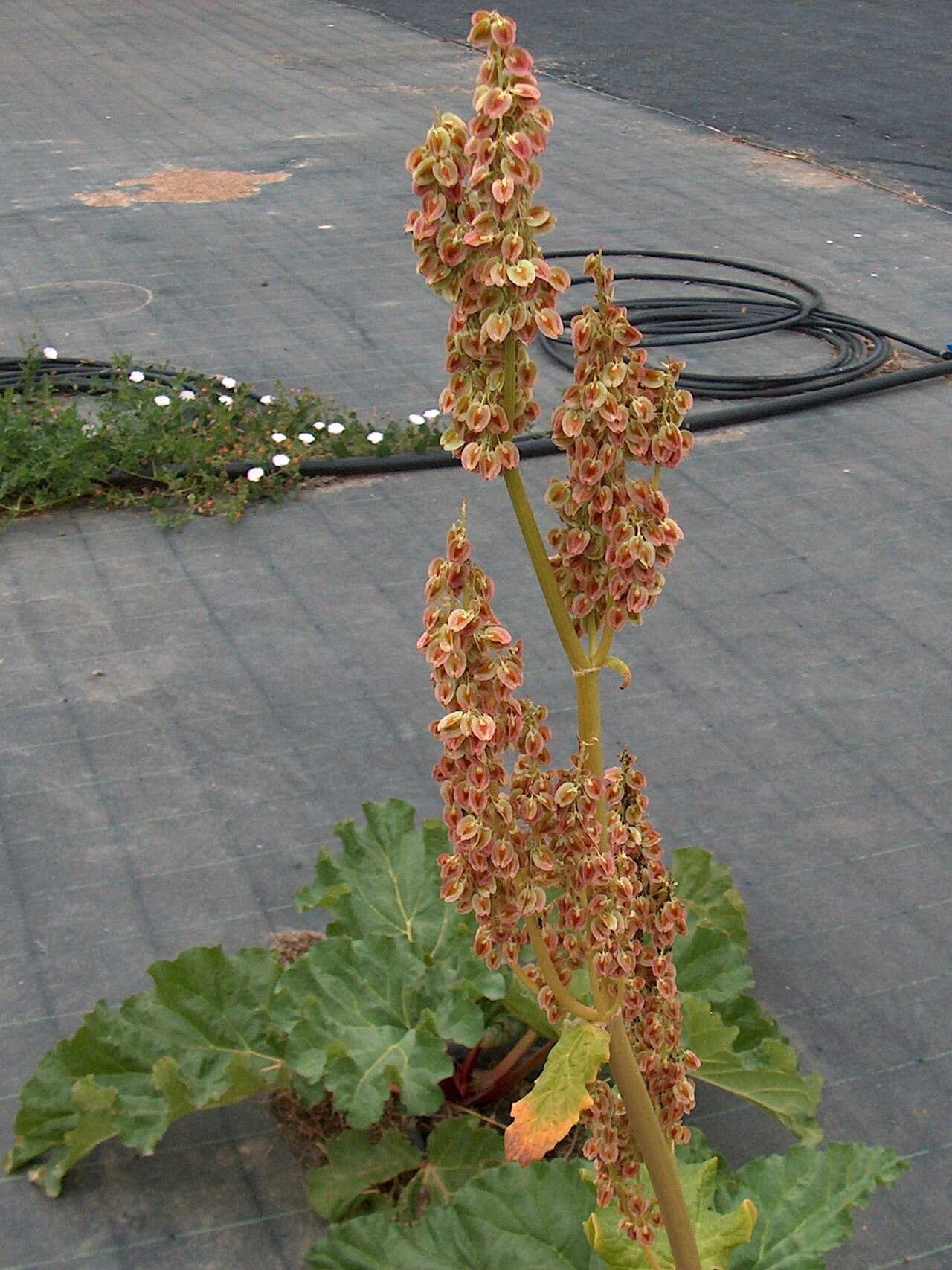
Traditionally used
Rhubarb root turns on its dose. A small pinch settles the stomach — it eases dyspepsia, wakes a dull appetite, and quiets loose bowels, gentle enough for children and the frail. A larger measure reverses course entirely and works as a purgative. The tannins account for the astringent, binding effect at low dose; the anthraquinones drive the laxative one when the dose climbs. ⚠ Like all anthraquinone laxatives, the purgative dose is not for pregnancy, breastfeeding, or long stretches (habituation, potassium loss).
In three languages
Français — La racine de rhubarbe agit selon la dose. Une faible quantité apaise l'estomac, calme la dyspepsie, réveille l'appétit et resserre les selles relâchées, assez douce pour les enfants et les personnes affaiblies. Une dose plus forte fait l'inverse et agit comme purgatif. Les tanins expliquent l'effet astringent à faible dose, les anthraquinones l'effet laxatif à dose plus élevée. ⚠ Comme tous les laxatifs anthraquinoniques, la dose purgative est à éviter pendant la grossesse, l'allaitement et sur de longues périodes (accoutumance, perte de potassium).
Safety
Safety notes for this plant are still being written. Until they are, treat it with a cautious hand.
Plants can look similar and be misidentified — always verify with a local herbalist or guide before use.
Sources & lineage
Pharmacopoeial monographs; anthraquinone glycosides and tannins
Kept alongside
- Common sorrel / Curly dock
- Wood avens
- Pineappleweed
- Sweet broom
- Water mint
- Creeping thistle
- Cape aloe
- Silverweed
- Water Pepper
- Dandelion