Pasqueflower
Pulsatilla vulgaris · Ranunculaceae
Pasqueflower
Anémone pulsatille
Pulsatilla vulgaris
Ranunculaceae
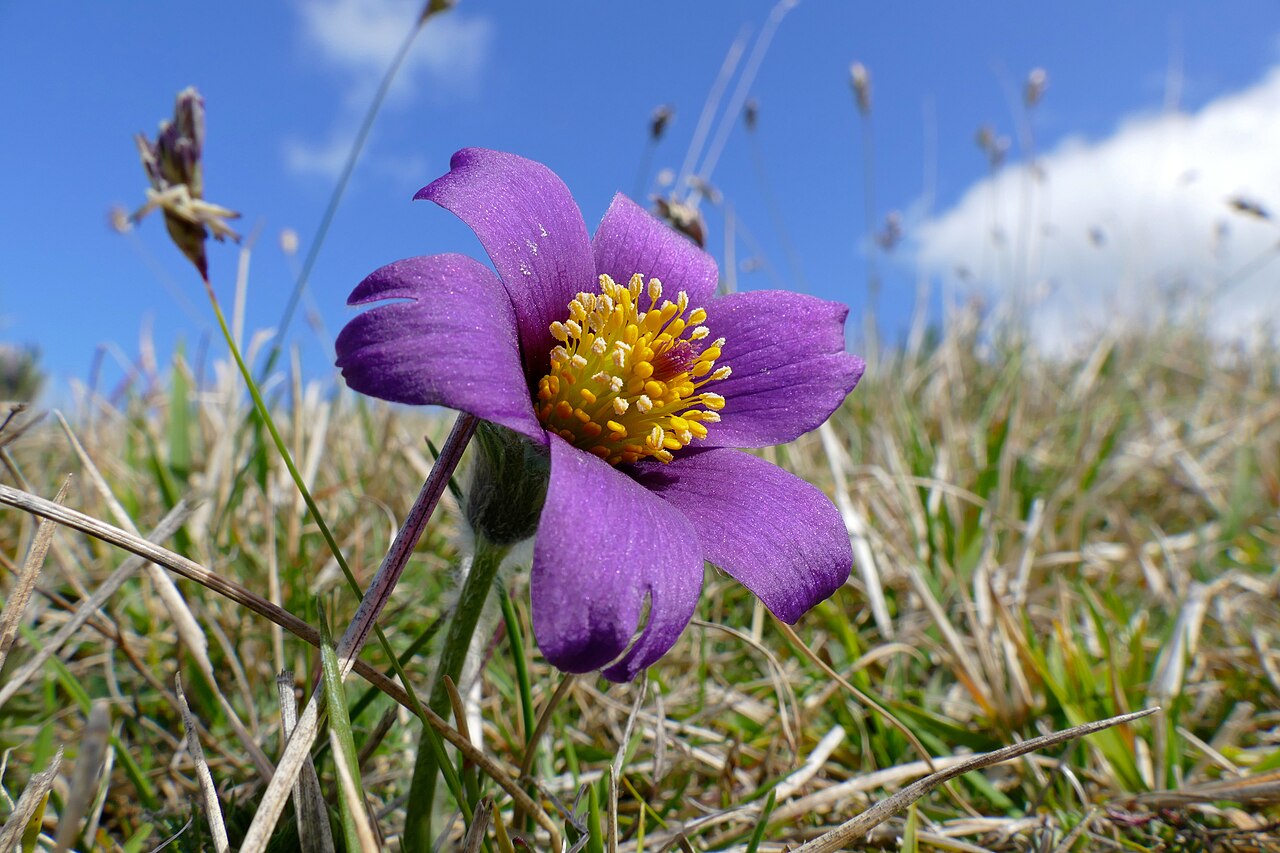
Traditionally used
⚠ Toxic when fresh — the fresh plant carries protoanemonin, a caustic that blisters skin and, taken internally, can cause severe digestive injury, seizures, and kidney damage; large doses are fatal. Only dried or homeopathic preparations are used, and only by a practitioner. Recorded for menstrual and nervous complaints; not for home use.
In three languages
Français — ⚠ Plante toxique à l'état frais — elle contient de la protoanémonine, caustique qui provoque des cloques et, en interne, de graves lésions digestives, des convulsions et une atteinte rénale; à forte dose, elle est mortelle. Seules des préparations séchées ou homéopathiques sont employées, et par un praticien. Consignée pour troubles menstruels et nerveux; pas d'usage domestique.
Safety
Safety notes for this plant are still being written. Until they are, treat it with a cautious hand.
Plants can look similar and be misidentified — always verify with a local herbalist or guide before use.
Sources & lineage
Toxicology (protoanemonin); European phytotherapy — dried / homeopathic only
Kept alongside
- Goldenseal
- Monkshood / Aconite
- Traveller's-joy
- Jamaican vervain
- Lettuce
- Indian almond
- Lady's mantle
- Masterwort
- Rattlebox
- Four o'clock