Wormwood (Absen)
Artemisia absinthium
A crossing plant — kept in both Haitian & Caribbean and Adriatic & Balkan traditions. Two shores, one root.
Wormwood
Absen
Absinthe
Artemisia absinthium
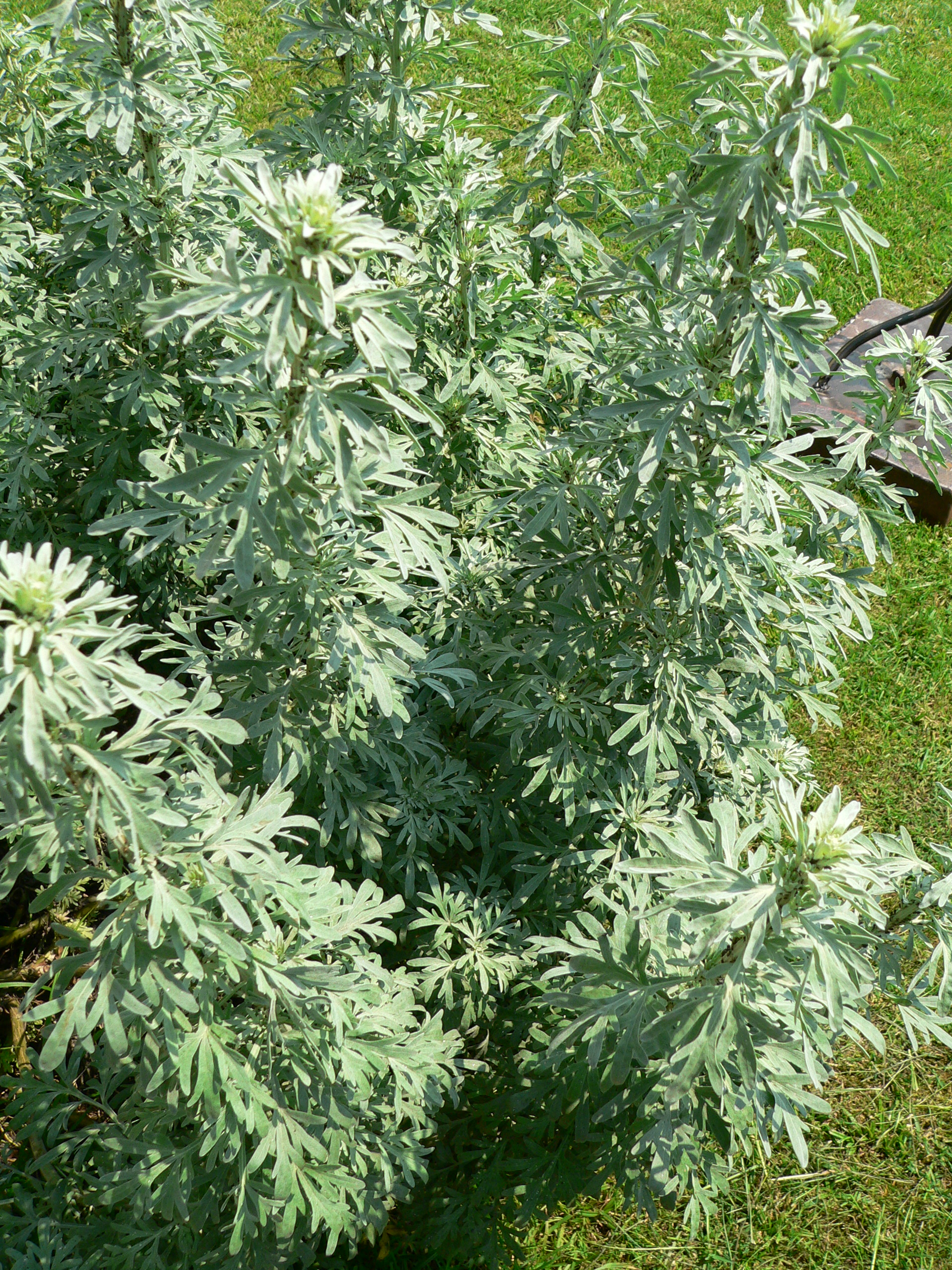
Traditionally used
⚠ Contains thujone — toxic if taken internally in more than small amounts. Not in pregnancy or for children; short-term use only. Appetite stimulant; digestive aid; bile production; wound healing (topical). Traditional: sedative, fever reducer, anthelmintic, anti-anemia.
Prepared as
Leaves, flowering tops
Chemistry
Bitter sesquiterpene lactones (absinthin, artabsin) reflexively stimulate gastric activity. Essential oils contain thujone (convulsant in overdose). Also contains tannins and vitamin C.
In three languages
Kreyòl — ⚠ Li gen tuyòn — li toksik si ou pran twòp ladan l anndan kò a. Pa pou fanm ansent ni timoun; sèlman pou kout tan. Stimile apeti; ede dijestion; ankouraje pwodiksyon fyèl; swen blese (lokal). Absen (Artemisia absinthium) diferan de amwaz (Artemisia vulgaris) kòn ann Ayiti. Kòm plant ewopeyèn nan famasi diaspora a, li itilize kòm amè dijestif pou manje difisil ak manke apeti.
Français — ⚠ Contient de la thuyone — toxique en usage interne au-delà de petites quantités. À éviter pendant la grossesse et chez l'enfant; usage de courte durée uniquement. Stimule l'appétit ; facilite la digestion ; favorise la production de bile ; cicatrisation (usage local). Traditionnel : sédatif, fébrifuge, vermifuge, anti-anémique. L'absinthe européenne est disponible dans la diaspora haïtienne comme amer digestif pour les troubles digestifs et le manque d'appétit.
Safety
Safety notes for this plant are still being written. Until they are, treat it with a cautious hand.
Plants can look similar and be misidentified — always verify with a local herbalist or guide before use.
Kept alongside