Scratchbush (zòti pikan)
Urera baccifera · Urticaceae
A crossing plant — kept in both Haitian & Caribbean and Adriatic & Balkan traditions. Two shores, one root.
Scratchbush
zòti pikan
Ortie brûlante
Urera baccifera
zòti pikan, feuilles enragée
Urticaceae
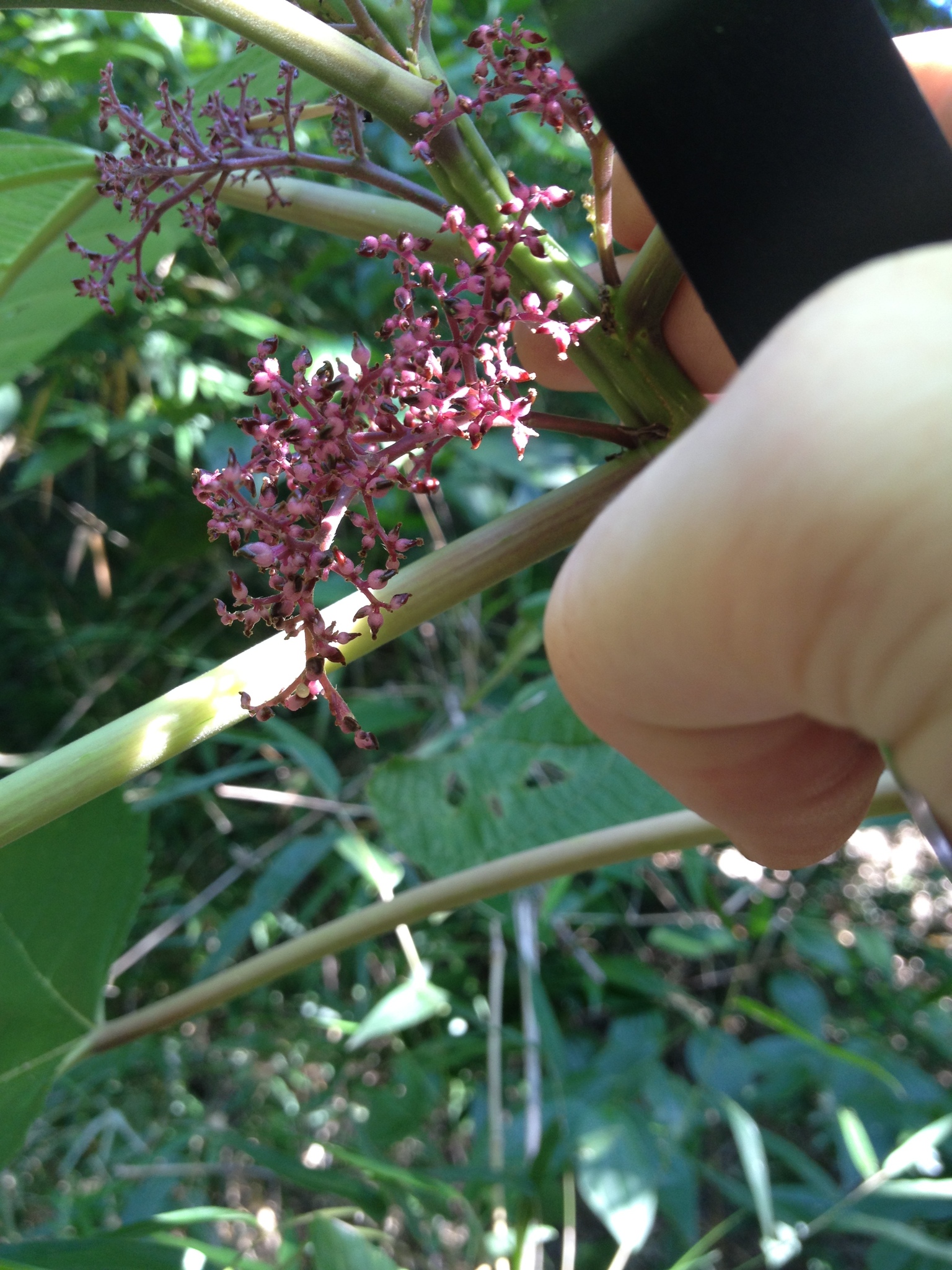
Traditionally used
Zòti pikan — the native stinging nettle of the tropics, the Caribbean counterpart of the European nettle. The cooked young leaf and a root decoction are taken as a depurative and diuretic, and the fresh plant was brushed on aching joints for rheumatic pain. ⚠ The fresh sting is fierce but short-lived — handle with care.
In three languages
Kreyòl — ⚠ Pikirat la vif men li pa dire — manyen l ak prekosyon. Zòti pikan se sitik pikan natif peyi cho yo, kontrepati karayibeyen zòti ewopeyen an. Fèy jèn kuit ak yon dekoksyon rasin bwè kòm depiratif ak diyeretik; plant fre a ak pikan li yo fwote sou po a kont doulè rimatis ak misk.
Français — Zòti pikan — l'ortie urticante des tropiques, pendant caribéen de l'ortie européenne. La jeune feuille cuite et une décoction de racine se prennent comme dépuratif et diurétique, et la plante fraîche se frottait sur les articulations douloureuses contre le rhumatisme. ⚠ La piqûre fraîche est vive mais brève — manier avec soin.
The crossing
Both are stinging nettles used for rheumatism through the sting itself. The Caribbean sting is sharper and shorter than the temperate one.
Safety
Safety notes for this plant are still being written. Until they are, treat it with a cautious hand.
Plants can look similar and be misidentified — always verify with a local herbalist or guide before use.
Sources & lineage
Caribbean/Haitian ethnobotany; nettle-class pharmacology
Kept alongside