Saffron
Crocus sativus · Iridaceae
A crossing plant — kept in both Haitian & Caribbean and Adriatic & Balkan traditions. Two shores, one root.
Saffron
Safran
Crocus sativus
Iridaceae
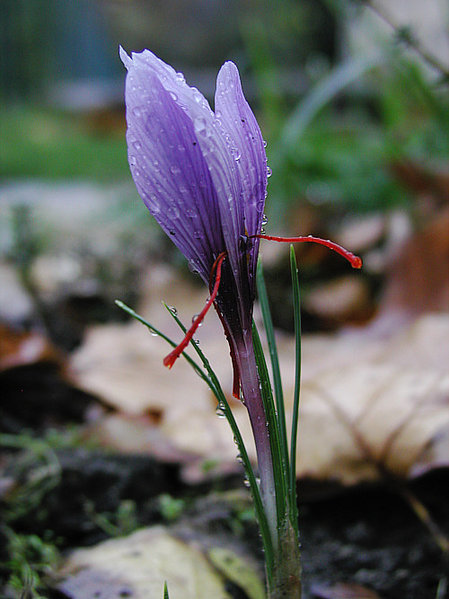
Traditionally used
⚠ Safe as a pinch of culinary spice, but never as a dosed medicine. In quantity saffron acts on the womb and nervous system and was once taken to bring on menses or to provoke miscarriage — a use that carried grave poisoning at around ten grams, with a lethal dose near twenty. As a kitchen colouring and flavouring it is harmless; as a herbal remedy it should be left alone, and strictly avoided in pregnancy.
In three languages
Français — ⚠ Sans danger comme pincée d'épice culinaire, mais jamais comme remède dosé. En quantité, le safran agit sur l'utérus et le système nerveux et fut jadis pris pour provoquer les règles ou l'avortement — un usage qui entraînait de graves empoisonnements vers dix grammes, la dose mortelle étant proche de vingt. Comme colorant et arôme de cuisine il est inoffensif ; comme remède de phytothérapie il vaut mieux le laisser de côté, et l'éviter absolument pendant la grossesse.
Safety
Safety notes for this plant are still being written. Until they are, treat it with a cautious hand.
Plants can look similar and be misidentified — always verify with a local herbalist or guide before use.
Sources & lineage
European toxicology; European phytotherapy
Kept alongside
- Goldenseal
- Velvet bean
- Motherwort
- Silverweed
- Marjoram
- Passionflower
- Pasqueflower
- Hops
- White Dead-nettle
- Sweet woodruff