Psyllium / Ispaghula · Silyòm (Ispagil)
Plantago ovata
Psyllium / Ispaghula
Silyòm (Ispagil)
Psyllium (ispaghul)
Plantago ovata
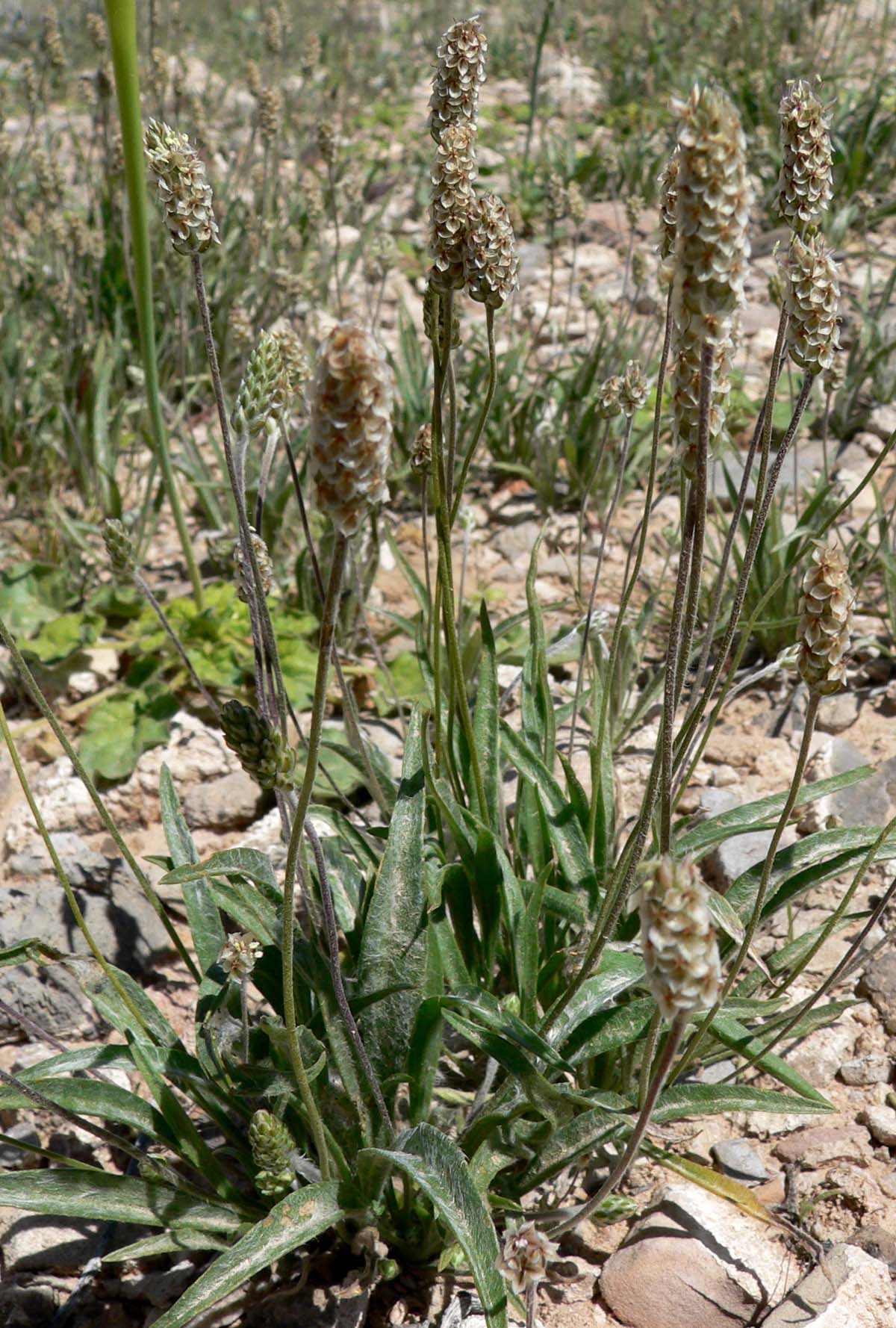
Traditionally used
Constipation (bulk-forming laxative — gentle). Diarrhea (normalizes stool). IBS. Cholesterol reduction (soluble fiber). Blood glucose regulation.
Prepared as
Seeds, seed husks
Chemistry
Mucilaginous polysaccharides (arabinoxylan) — swell in gut, increase stool bulk and water content. Slow glucose absorption. Bind bile acids (lower LDL). Prebiotic.
In three languages
Kreyòl — Konstipatyon (laksatif mas — dous). Dyare. SII. Redui kolestewòl. Regilatyon glikemi. Silyòm (ispagil) kòn nan Karayib la pou konstipasyon lejè ak vant iritable. Grenn ak anpil dlo pou nòmalize transit intestinal ak kolestewòl.
Français — Constipation (laxatif de masse — doux). Diarrhée (normalise les selles). SII. Réduction du cholestérol. Régulation de la glycémie. Le psyllium (ispaghul) est connu dans les Caraïbes pour la constipation légère et le côlon irritable; graines avec beaucoup d'eau pour normaliser le transit intestinal et le cholestérol.
Safety
Safety notes for this plant are still being written. Until they are, treat it with a cautious hand.
Plants can look similar and be misidentified — always verify with a local herbalist or guide before use.
Kept alongside
More on Haitian plant medicine