Pomegranate (pye grenad)
Punica granatum · Lythraceae
A crossing plant — kept in both Haitian & Caribbean and Adriatic & Balkan traditions. Two shores, one root.
Pomegranate
pye grenad
Grenadier
Punica granatum
Šipak / Mogranj
Lythraceae
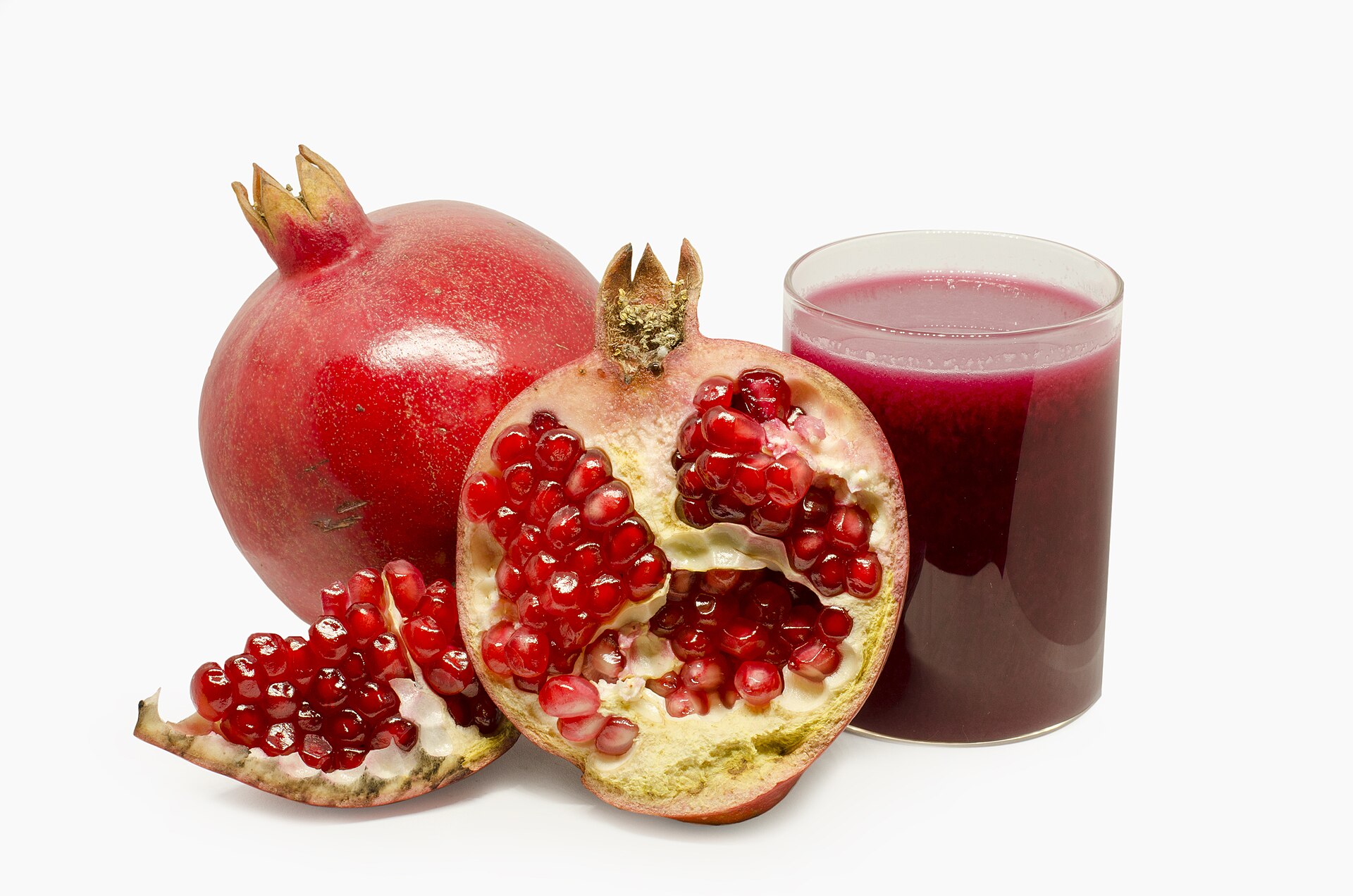
Traditionally used
Antioxidant, heart health, anti-inflammatory, immunity, digestion, worms, skin
On the Adriatic shore
Odvar kore šipka: žlica sušene kore na 250 ml, kuhati 10 min. Za proljev, upale crijeva. Sok cvijeća: krvarenje desni. Sok ploda: antioksidans.
Prepared as
Juice: drink fresh pomegranate juice daily for antioxidant and heart support. Rind decoction: boil small piece of dried rind in 2 cups water 15 minutes, drink half cup for diarrhea and intestinal worms. Rind powder mixed with honey applied to mouth ulcers and gum infections. Seeds eaten fresh for fiber and anti-inflammatory benefits. Flower tea used for diabetes support.
In three languages
Kreyòl — Bon pou kè a, kalme enflamasyon, ranfòse kò a kont maladi, ede vant lan, chase vè yo, geri po a
Français — Antioxydant, santé cardiaque, anti-inflammatoire, renforce l'immunité, améliore la digestion, vermifuge, soins de la peau
Safety
Safety notes for this plant are still being written. Until they are, treat it with a cautious hand.
Plants can look similar and be misidentified — always verify with a local herbalist or guide before use.
Sources & lineage
PMC11625089 (Punica granatum review 2024); Cureus 2024 pharmacological review; Dalmatian ethnobotany
Kept alongside