Olive (Oliv)
Olea europaea · Oleaceae
A crossing plant — kept in both Haitian & Caribbean and Adriatic & Balkan traditions. Two shores, one root.
Olive
Oliv
Olivier
Olea europaea
Maslina
Oleaceae
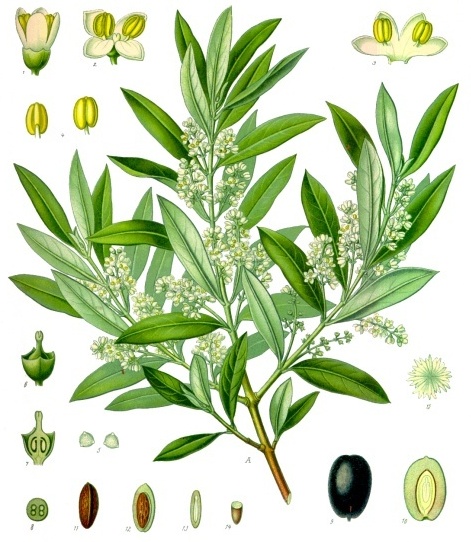
Traditionally used
Olive leaves are traditionally used to support cardiovascular health and help regulate blood pressure through their natural compounds. The oil is valued for its anti-inflammatory properties both internally and externally for skin conditions, while the leaves are used to boost immune system function.
On the Adriatic shore
Čaj od maslinovih listova: 1–2 žlice sušenih listova na 250 ml vode, kuhati 10 min. Za tlak, antimikrobno. Maslinovo ulje: koža, probava.
Prepared as
Olive leaves are prepared as a decoction by simmering 1-2 teaspoons of dried leaves in hot water for 10-15 minutes. The oil is used directly on skin or consumed in small amounts.
In three languages
Kreyòl — Fèy oliv yo tradisyonèlman itilize pou sipòte sante kè a ak sikjilasyon san an epi ede règle tansyon an gras ak konpoze natirèl yo. Lwil la gen valè pou pwopriyete anti-enflamatwa li yo nan kò a ak sou po a pou maladi po yo, pandan fèy yo itilize pou ranfòse sistèm imunitè a.
Français — Les feuilles d'olivier sont traditionnellement utilisées pour soutenir la santé cardiovasculaire et aider à réguler la tension artérielle grâce à leurs composés naturels. L'huile est appréciée pour ses propriétés anti-inflammatoires tant en interne qu'en externe pour les affections cutanées, tandis que les feuilles servent à renforcer le système immunitaire.
Safety
Safety notes for this plant are still being written. Until they are, treat it with a cautious hand.
Plants can look similar and be misidentified — always verify with a local herbalist or guide before use.
Sources & lineage
Insular Pharmacopoeias (PMC8138454); EMA Oleae folium; Vitasović-Kosić 2021
Kept alongside
- Turkey berry
- Smooth Rupturewort
- Wild lime
- Bermuda grass
- Indian almond
- Frog fruit
- Watermelon
- Tamarind
- Sapodilla
- Four o'clock